
Western University Researchers Report Surprising Caffeine Mental Fatigue Findings
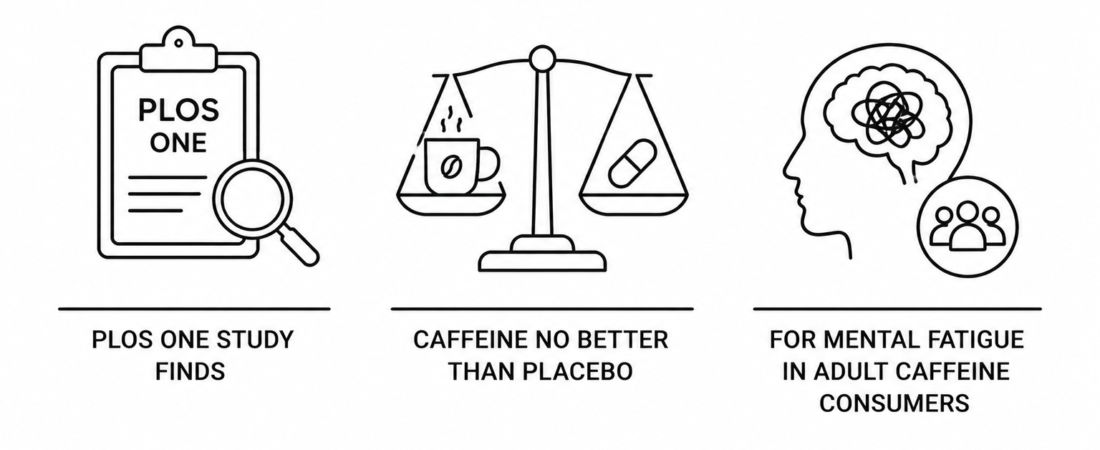
A new caffeine science study published April 30 in PLOS One and covered by News-Medical.Net on May 10 has produced an unexpected result that is already generating widespread coverage across the caffeine industry. According to the study titled “Differential effects of caffeine, acute aerobic exercise, and placebo on mental fatigue” and authored by Shirzad and colleagues, neither caffeine nor a 20-minute aerobic exercise bout produced a measurable benefit over placebo for mental fatigue induced by a 30-minute Stroop task. According to the published methodology, 26 adult caffeine consumers aged 18 to 30 with daily caffeine intake of 150 to 500 milligrams were randomized to receive 20 minutes of moderate-intensity cycling, 2.5 mg per kilogram of caffeine, or a 0.67 gram corn-starch placebo. According to the published comparison, placebo and caffeine conditions did not exhibit a reliable difference on objective Psychomotor Vigilance Task measures. The caffeine science finding adds nuance to a literature that has long treated caffeine as a reliable mental-fatigue countermeasure.
Caffeine Habituation May Explain the Unexpected Placebo Parity
The new caffeine science research highlights a long-discussed but underexamined variable in the caffeine literature: habituation. According to News-Medical.Net’s coverage of the PLOS One study, the participant pool consisted entirely of habitual caffeine consumers averaging 150 to 500 milligrams per day, a group in which tolerance to caffeine’s acute cognitive effects is well documented. According to the published discussion section, caffeine reliably alleviates mental fatigue by acting on the central nervous system through adenosine receptor antagonism in non-habituated subjects, but the chronic-consumer cohort in this trial may have shifted the dose-response curve. According to a 2024 MDPI systematic review of caffeine placebo effects in sport and exercise, belief in having consumed caffeine produces measurable performance effects independent of the molecule itself, complicating clean comparisons. The new caffeine science finding does not contradict caffeine’s broader cognitive-performance evidence base but suggests that habitual caffeine consumers may extract a smaller acute mental-fatigue benefit than the conventional caffeine science narrative implies.
JAMA Dementia Study Continues to Reassure Coffee Drinkers in May 2026 Coverage
Alongside the PLOS One findings, MindBodyGreen continued to spotlight a major February 2026 JAMA caffeine science study with a fresh May 11 article framed as reassuring news for coffee drinkers’ brains. According to MindBodyGreen’s May 11 coverage of the JAMA paper by Zhang and colleagues from Mass General Brigham and Harvard, approximately 131,821 participants across the Nurses’ Health Study and the Health Professionals Follow-Up Study were tracked over multiple decades. According to MindBodyGreen, people who drank two to three cups of caffeinated coffee daily or one to two cups of caffeinated tea had a lower risk of dementia, slower cognitive decline, and better-preserved brain function compared to those who drank less or none at all. According to Smithsonian Magazine’s coverage of the same JAMA paper, study co-author Yu Zhang clarified the team is not recommending that non-coffee-drinkers start drinking, but the results are reassuring for those who already do. The caffeine science evidence for long-term brain benefits at moderate doses continues to accumulate.
Both Caffeinated and Decaf Coffee Show Cognitive Benefits in Latest MindBodyGreen Reporting
A separate MindBodyGreen caffeine science article published on May 11 expanded the discussion to highlight the non-caffeine components of coffee. According to MindBodyGreen’s May 11 reporting on the Nature Communications gut-microbiome research, both caffeinated and decaffeinated coffee improved mood, memory, and stress markers — with several effects appearing even in the absence of caffeine. According to the broader caffeine science consensus referenced across the MindBodyGreen coverage, polyphenols and gut-microbiome metabolites, including those tied to anti-inflammatory pathways may be responsible for a meaningful portion of coffee’s measurable cognitive benefits. According to a separate New Scientist article cited in the same caffeine science discussion, coffee’s effects on cognitive scores are caused by polyphenols, not caffeine alone. The combined caffeine science evidence base is moving rapidly toward a multi-factor model in which caffeine, polyphenols, and microbiome metabolites each contribute distinct cognitive and metabolic effects.
As caffeine science increasingly emphasizes the importance of dose precision and individual habituation, demand has grown for caffeine products that allow consumers to control daily intake at the milligram level. Jiggle plant-based natural caffeine gummies deliver approximately 63 milligrams of caffeine per gummy from green tea extract and guarana, manufactured under GMP certification with no artificial ingredients and a 24+ month shelf life. The resealable 12-pack format, priced at $18.99, supports the kind of measured daily caffeine intake that the latest caffeine science research increasingly identifies as central to capturing cognitive benefits without the tolerance buildup seen in habitual high-dose consumers. Learn more at jiggle.cafe.
Researchers caution that the PLOS One mental-fatigue study had a small sample size of 26 participants and tested a single 2.5 mg per kilogram caffeine dose, limiting the generalizability of the placebo-parity finding. According to the published limitations section and the News-Medical.Net coverage, follow-up trials with larger samples, varied caffeine doses, and non-habituated consumers will be needed before the caffeine science community can draw firm conclusions about caffeine’s effects on mental fatigue in the broader population.