
Latest posts
-
Supermarket News Reports Matcha Demand Driven by Caffeine Tiering as Food and Wine Documents the Top Three Energy Drinks in the US for 2026

Supermarket News Documents Matcha Demand Based on Caffeine Tiering According to a June 22 Supermarket News feature, matcha demand is now driven by caffeine tiering across multiple consumer segments. According to the coverage, matcha has evolved from a niche health drink to a mainstream must-have. Gen Z and millennials discovered the category on TikTok and
-
Sunday Tribune Reports Doctor Warns Children Should Not Consume Energy Drinks After KwaMashu Pupil Death as UK Government Faces 700-Day Delay on Energy Drink Ban
Sunday Tribune Documents Doctor Warning After KwaMashu Pupil Energy Drink Death According to a June 17 Sunday Tribune health feature, a doctor has formally warned that children should not consume energy drinks after a KwaMashu pupil died following energy drink consumption. According to the coverage, the case has driven sustained mainstream consumer journalism coverage of
-
Healthy Daily Steps Reports Four Natural Ways to Sweeten Your Coffee as MSN Documents How to Stay Energized Without Caffeine

Healthy Daily Steps Documents Four Natural Ways to Sweeten Your Coffee According to a June 17 Healthy Daily Steps feature, four natural ways to sweeten your cup can transform daily coffee into a cleaner ritual. According to the coverage, the recommendations include using whole spices like cinnamon and cardamom, adding a small amount of pure
-
openPR Reports USA and Japan Natural Caffeine Market Gains Strategic Momentum as The Grocer Documents Bloom Expansion in UK Female Energy Drinks Category
openPR Documents USA and Japan Natural Caffeine Market Strategic Momentum According to a June 17 openPR market analysis, the USA and Japan natural caffeine market is gaining strategic momentum across multiple consumer segments. According to the coverage, consumers now demand naturally derived caffeine that operates outside the synthetic stimulant category. The shift continues to reshape
-
The Food Institute Reports How Much Caffeine Is Too Much as Energy Drinks Face Increasing Scrutiny and Texas AG Continues Celsius Youth Marketing Investigation
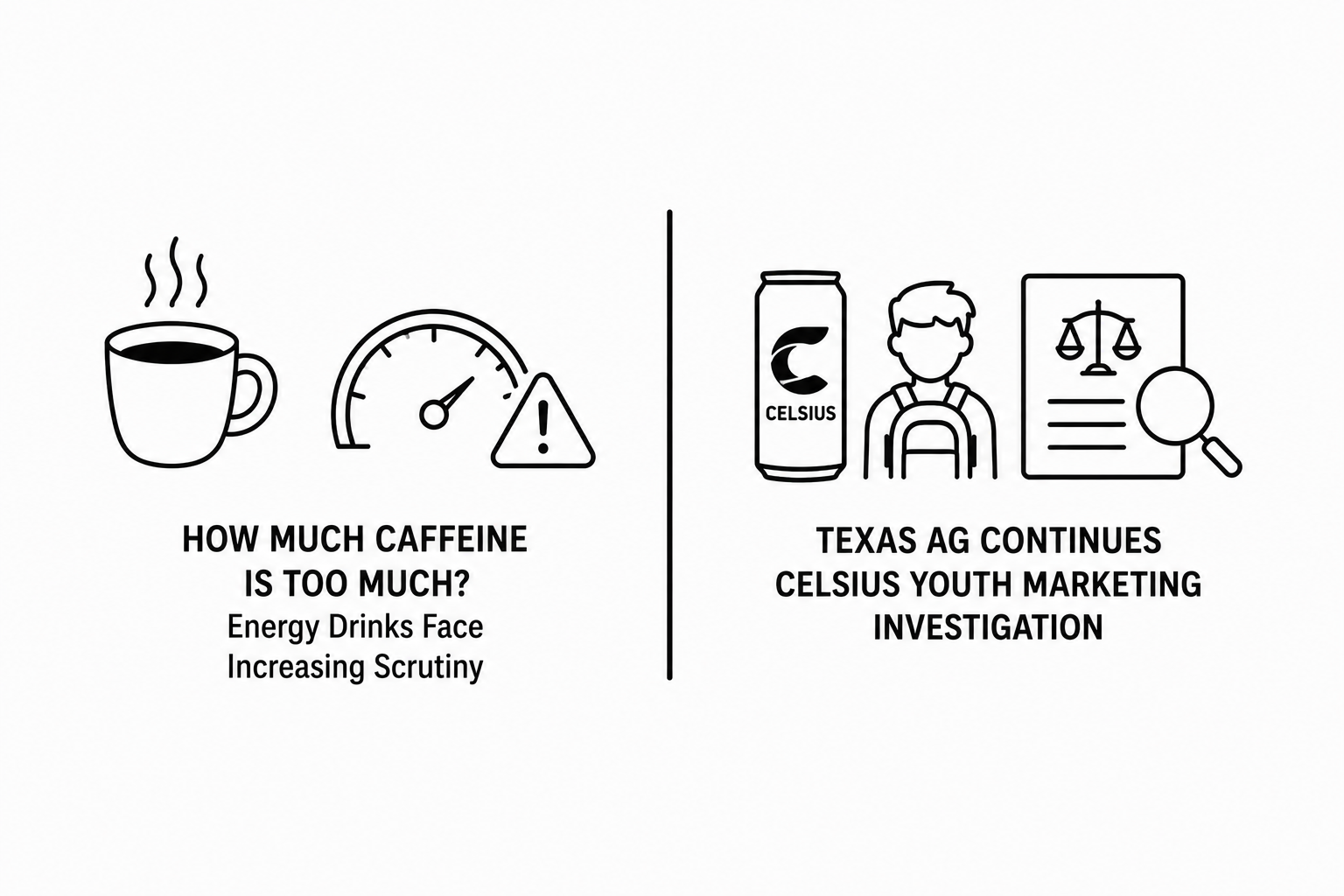
The Food Institute Documents How Much Caffeine Is Too Much According to a June 16 Food Institute feature, energy drinks continue to face increasing regulatory scrutiny across multiple jurisdictions. According to the coverage, youth consumption patterns and high-dose products have drawn particular attention from regulators and consumer protection advocates. The mainstream industry coverage continues to
-
MSN and AOL Report Cardiologists Warn Energy Drinks Can Harm Heart Health as India Today Documents Doctor Warnings on Mixing Alcohol with Energy Drinks
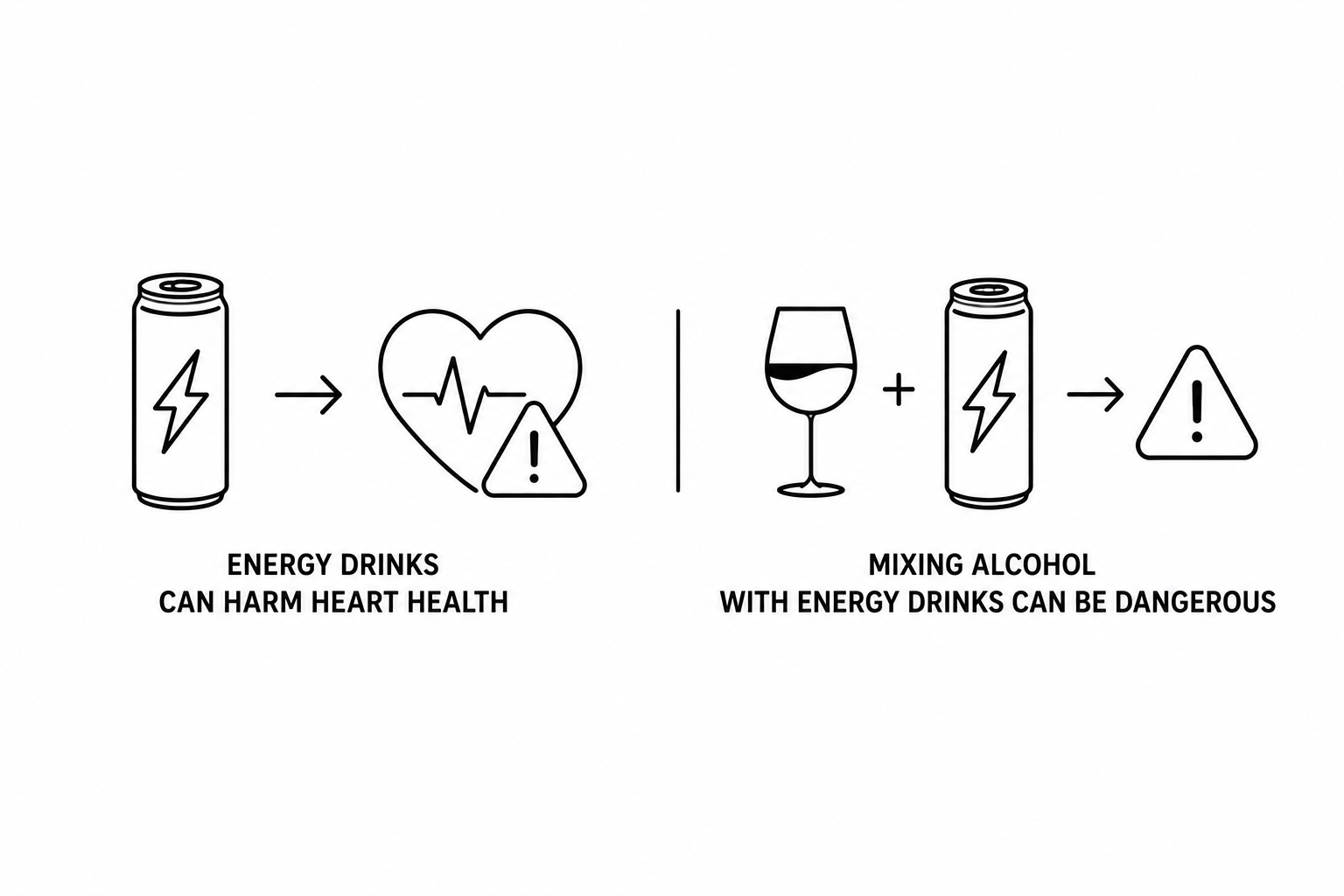
MSN Documents Cardiologist Warnings on Energy Drinks and Heart Health According to a June 15 MSN feature distributed through AOL and broader cardiology coverage, cardiologists are now formally warning consumers that energy drinks can harm heart health. According to the coverage, energy drinks typically contain high doses of caffeine alongside taurine, sugar, and other stimulants
-
CBC News Reports Quebec Bill 9 Adopted as First North American Energy Drink Ban for Under-16 as Canadian Beverage Association Issues Statement of Disappointment
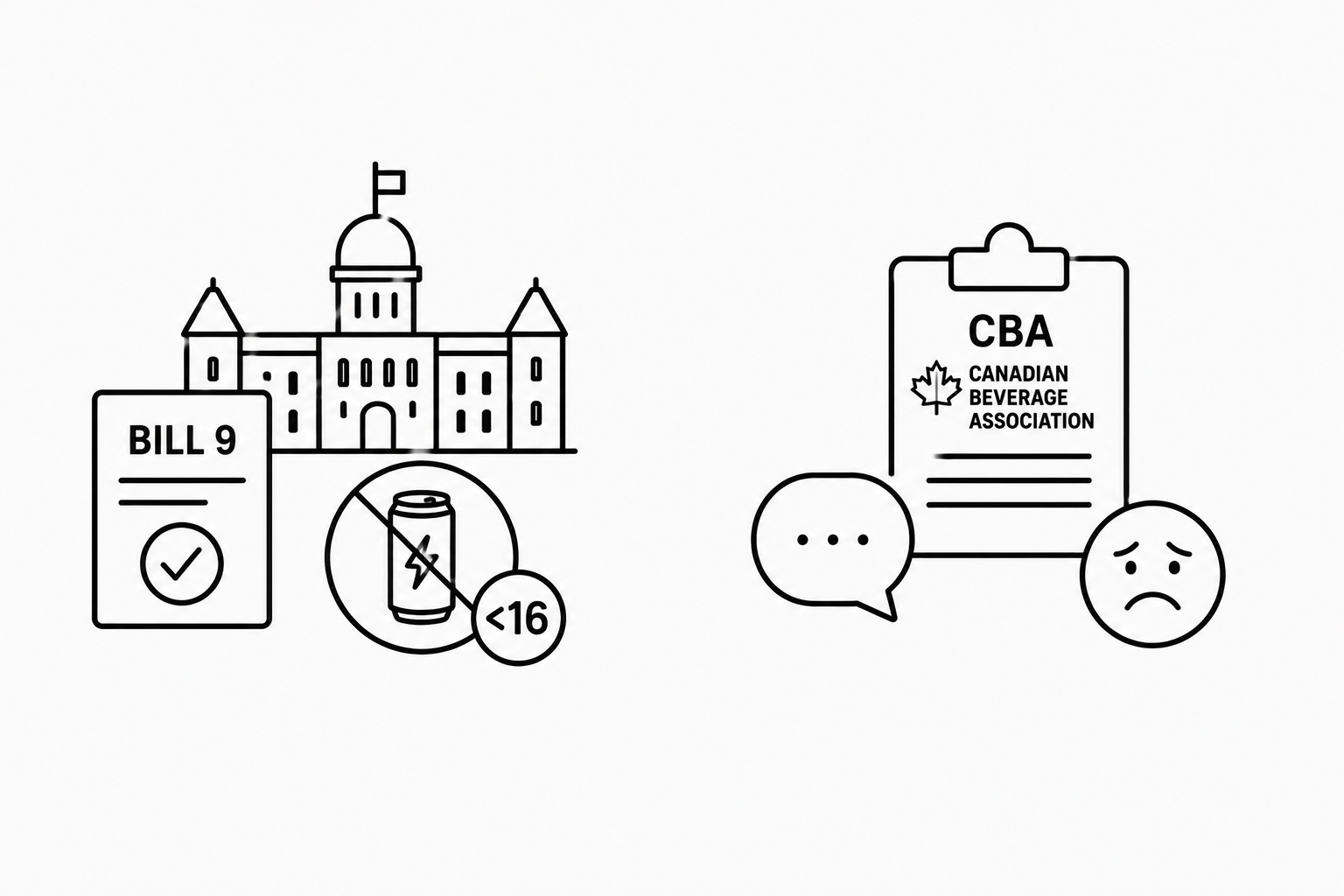
CBC News Documents Quebec Bill 9 Adoption, Making the Province First in North America According to a June 11 CBC News feature distributed through June 12 international regulatory coverage, Quebec has formally adopted Bill 9, making the province the first North American jurisdiction to ban the sale of energy drinks to consumers under age 16.
-
Quebec Holds Consultations on Energy Drink Ban Ahead of Friday Deadline as Spanish Government Prepares Parallel Law to Limit Minors Access to Energy Drinks
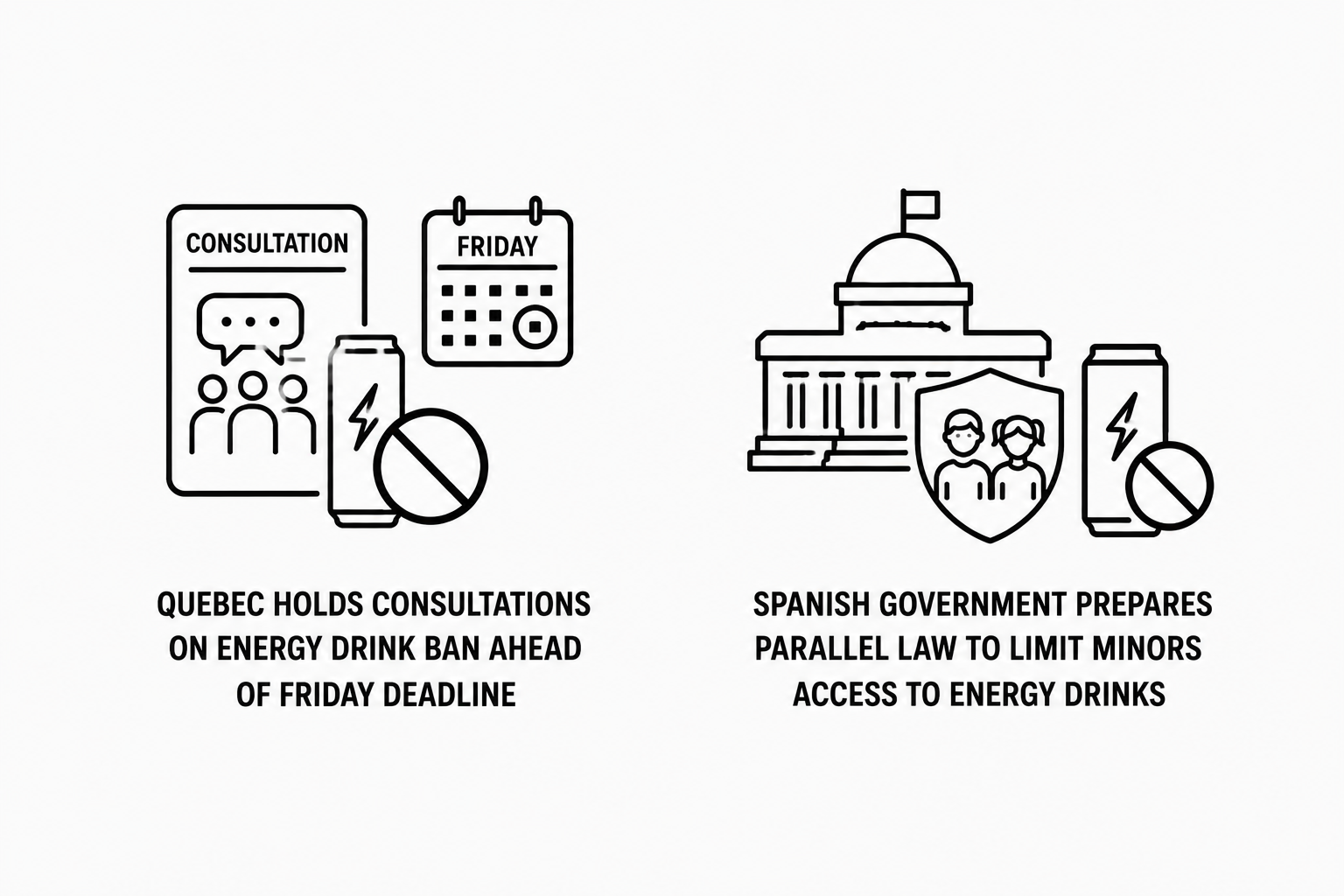
Quebec Holds Consultations on Energy Drink Ban Ahead of Friday Legislative Deadline According to a June 10 regional coverage of Quebec provincial legislation, the province is holding formal consultations on its proposed energy drink ban for consumers under age 16. According to the coverage, the legislation is expected to reach a Friday deadline that could
-
Moneycontrol Reports Cardiologist Warns Energy Drinks Are Not Safe in Hot Weather as JCDR Online Documents Caffeine Six-Month Weight Loss Research Update
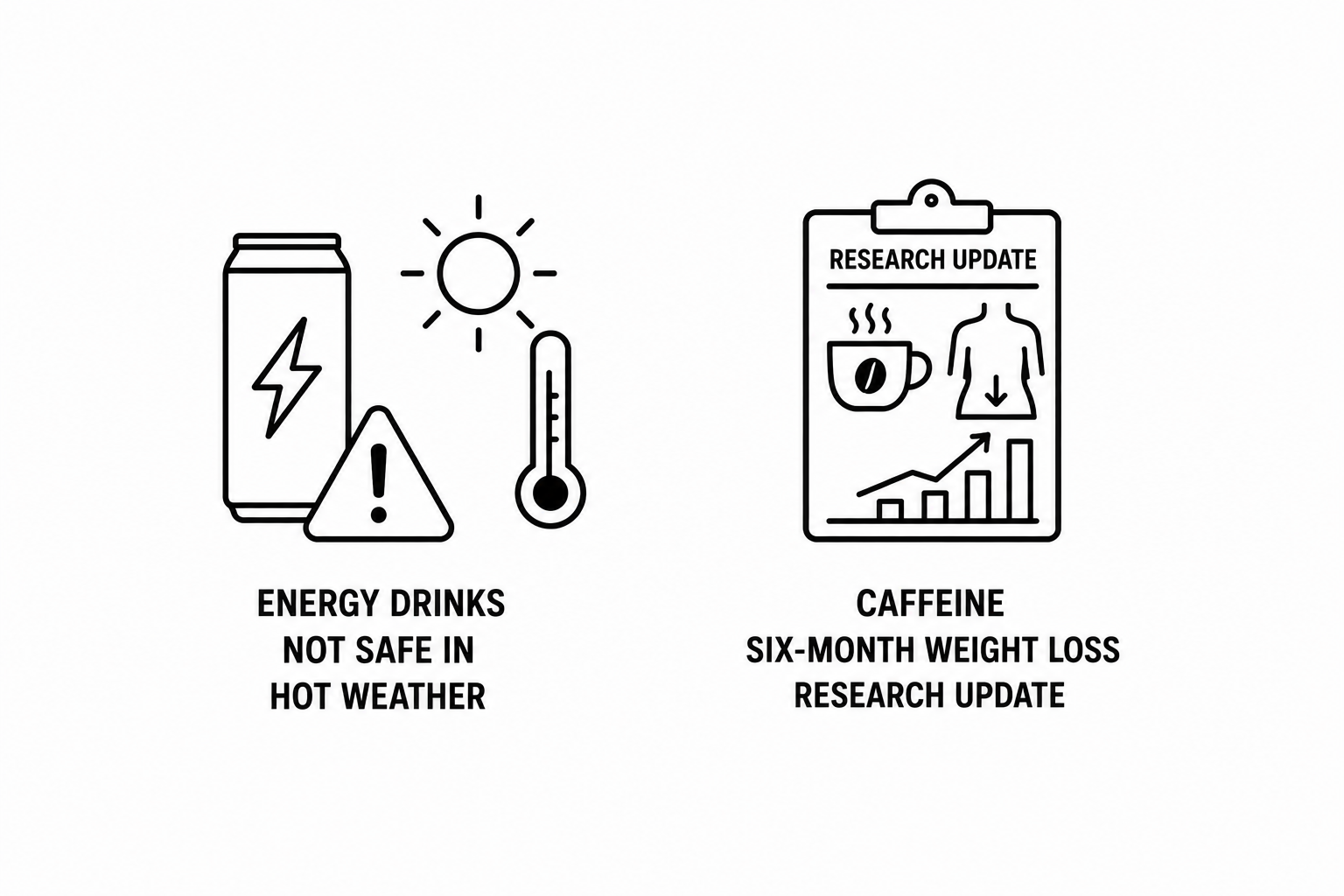
Moneycontrol Cardiologist Warns Energy Drinks Are Not Safe in Hot Weather According to a June 9 Moneycontrol feature on energy drinks and hot summer weather, a leading cardiologist has formally warned that most energy drinks are not safe in hot weather — citing the combination of high-dose caffeine, sugar, taurine, and synthetic stimulants that can
-
Verywell Health Reports 12 Serious Side Effects of Pre-Workout Supplements as Texas AG Paxton Launches Industry-Wide Investigation into Protein Powder Sector
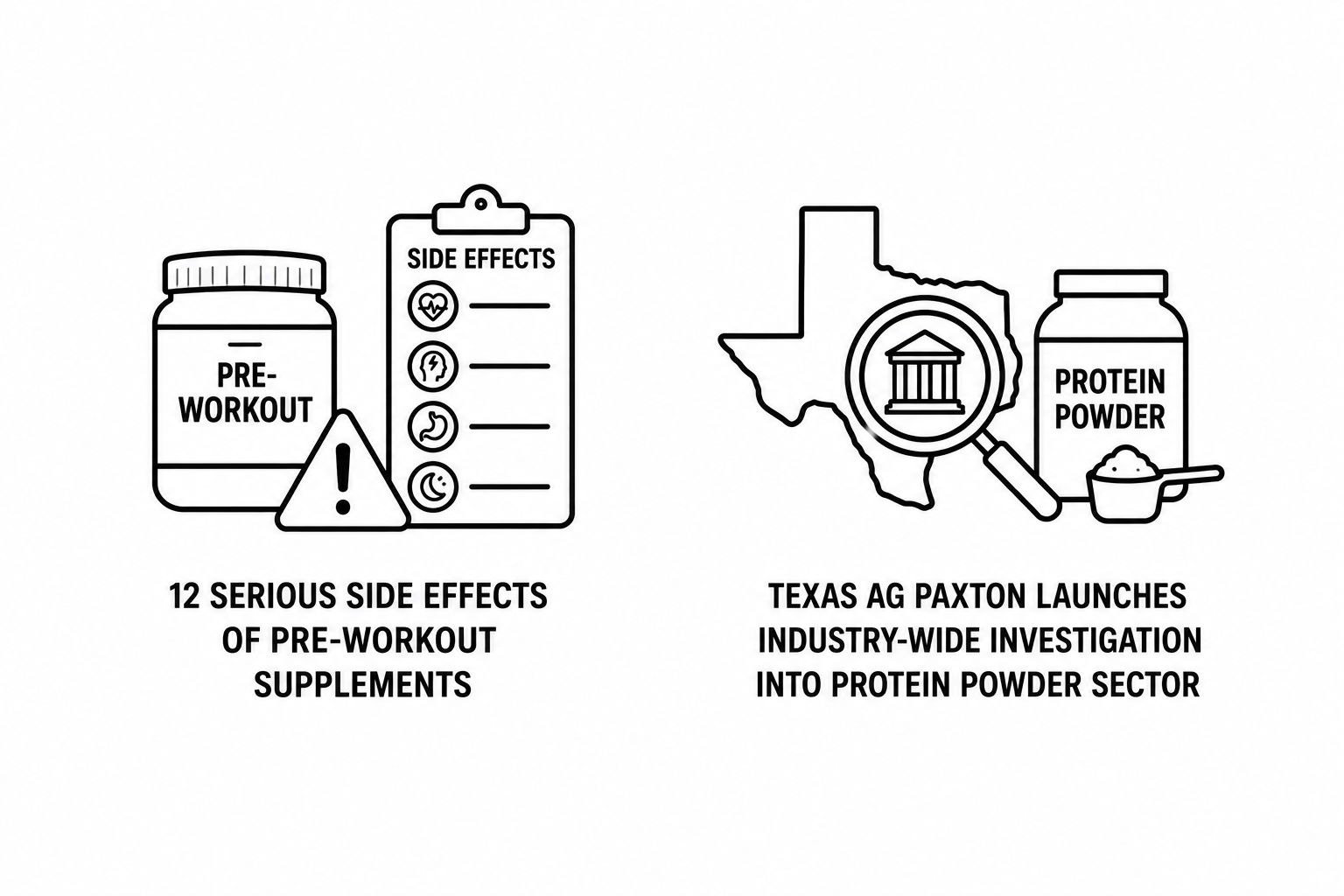
Verywell Health Documents 12 Potentially Serious Pre-Workout Supplement Side Effects According to a June 9 Verywell Health feature on pre-workout supplements, regular consumption of high-dose pre-workout formulations can produce 12 potentially serious side effects, including cardiovascular reactivity, elevated blood pressure, sleep architecture disruption, anxiety, gastrointestinal distress, and dependence patterns. According to the coverage, caffeine is